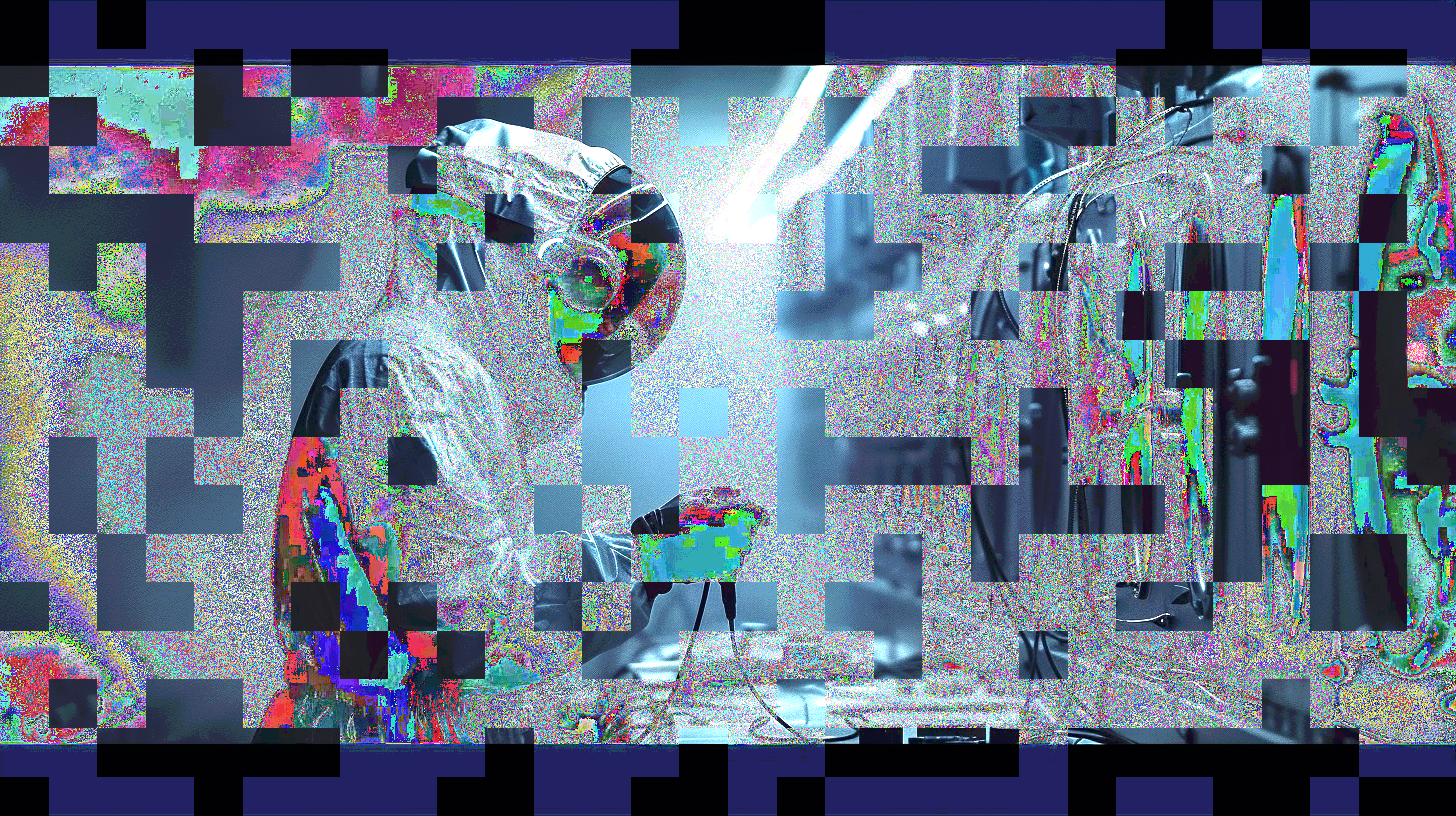
Datamosh drift, kept on a leash
Two honest routes to the datamosh look — corruption you can dial, and a melt that admits it's a still.
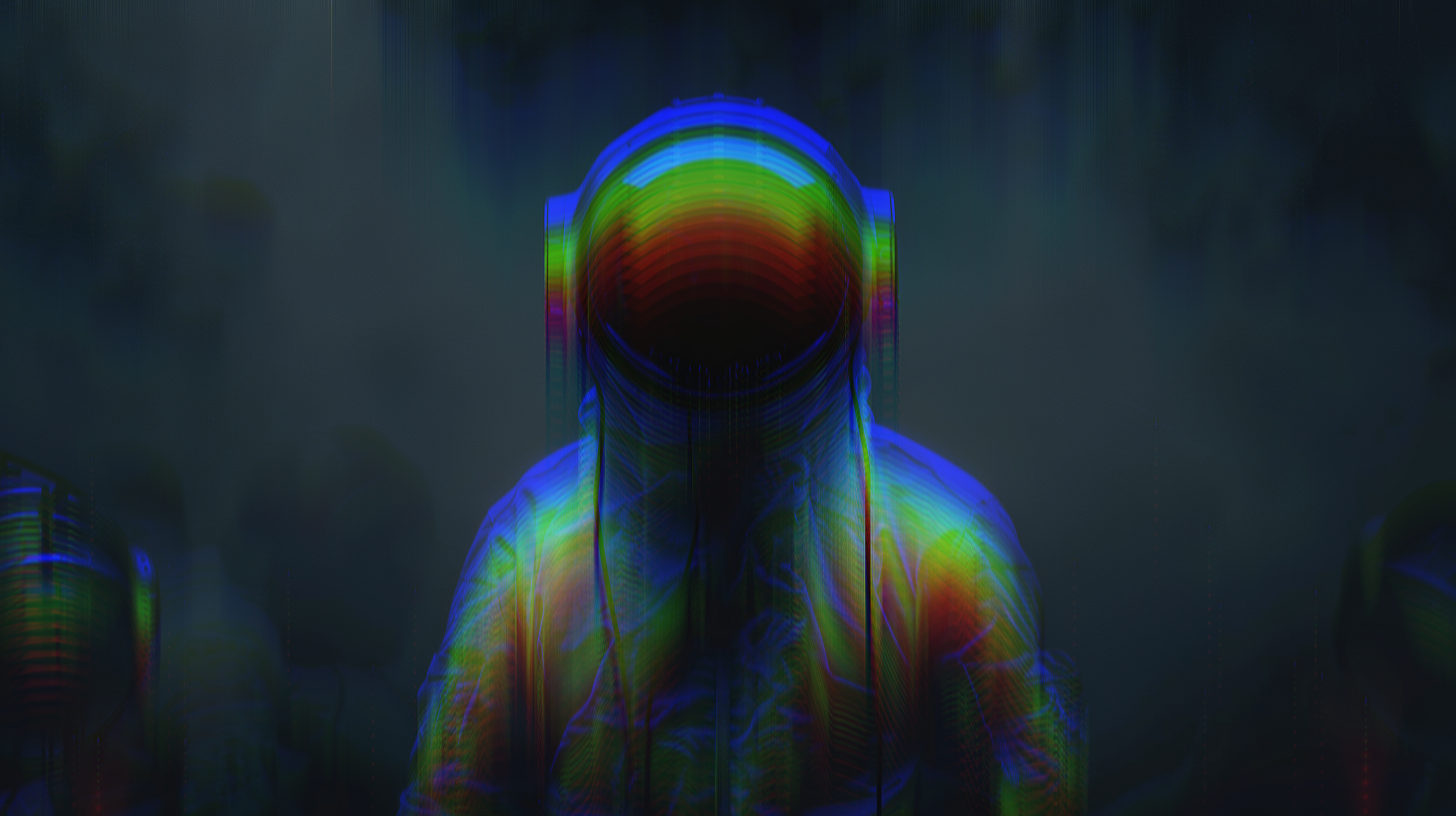
The datamosh look comes from a real accident: strip the keyframes out of a compressed video and the codec keeps applying motion data to the wrong picture. The frame melts forwards, carrying colour that no longer belongs to it.
That's a video accident. It needs a previous frame and a stream of motion vectors — neither of which exists when you're holding one still image. So any tool offering you "datamosh" on a single photo is doing something else, and the honest thing is to say what.
V3KTR gives you two somethings.
Databend — corruption, block-aligned
Databend goes after the artefact directly, and it does it six ways.
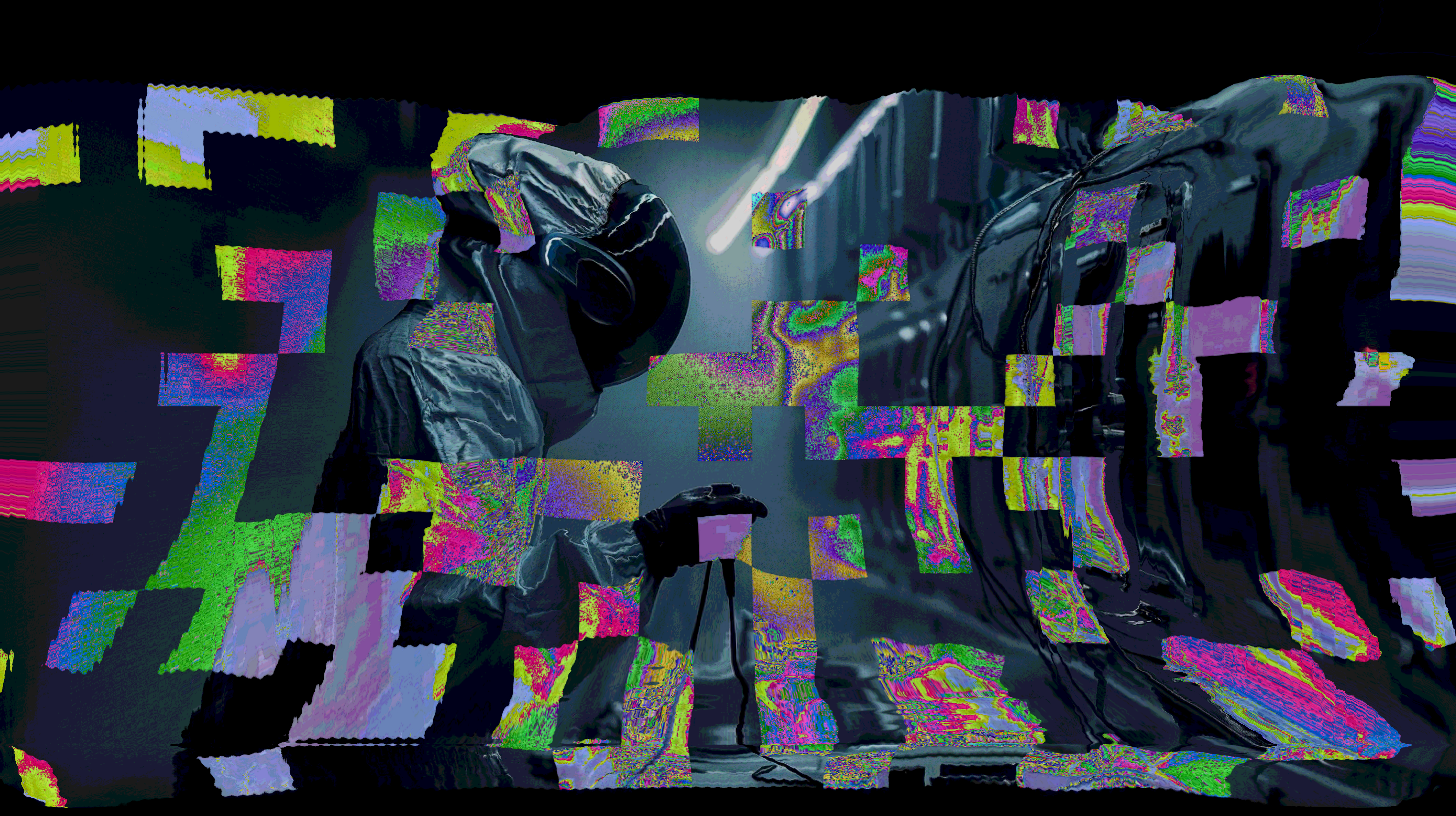
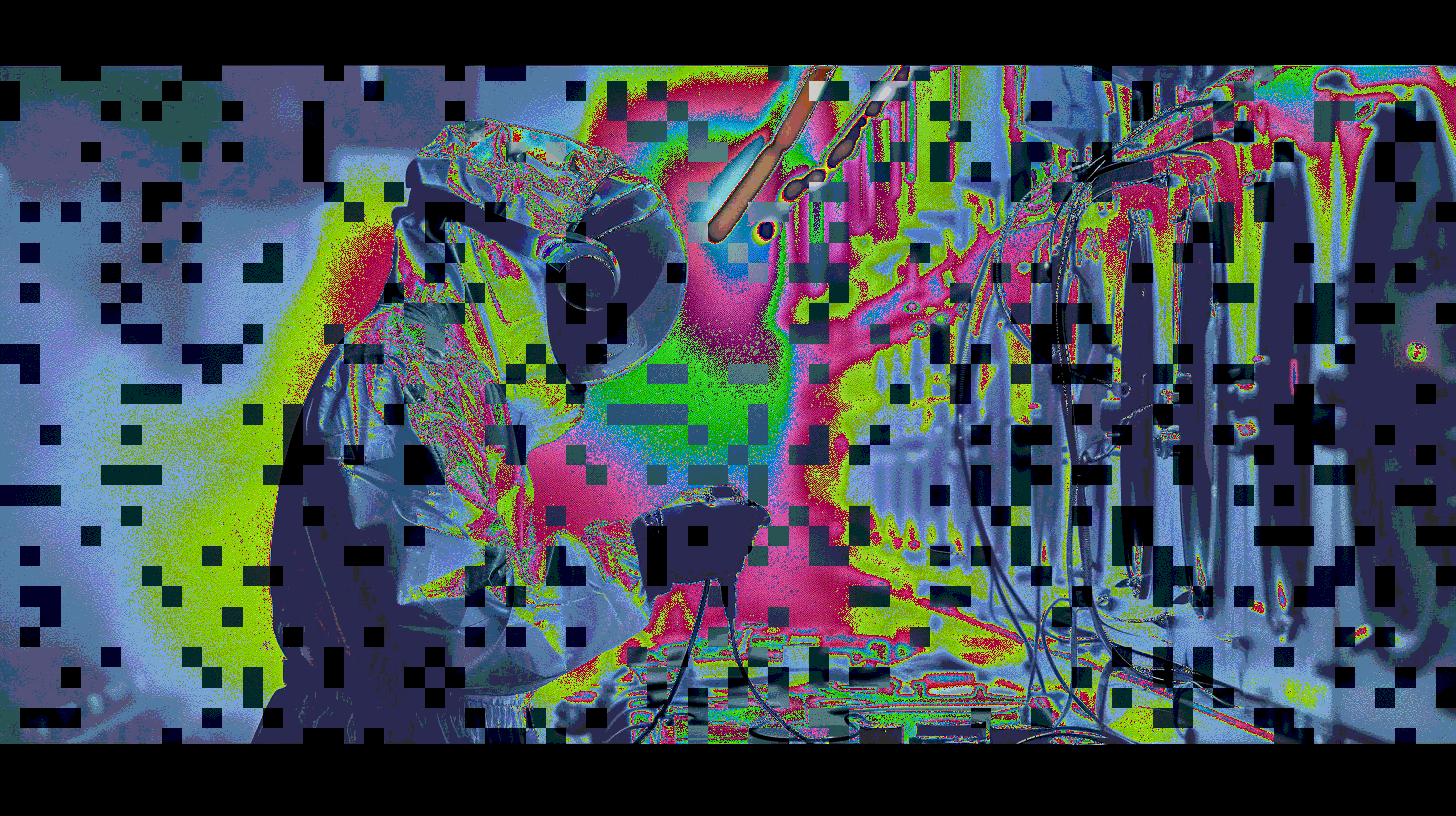
Blocks is the one that reads as datamosh. It corrupts on the macroblock grid — the same 8×8-aligned lattice a real codec works in — which is why the damage lands in squares rather than as a soft mush. Three things happen on that grid: macroblocks that smear horizontally, colour-tear from shifting channel bytes, and blocks that collapse to a flat DC value — the single average colour a block decays to when everything above it is gone. Smear and Colour Tear are yours to dial.
The other five go at the data rather than the grid — the opened it in a hex editor half. Bitplane flips bits, Bit-shift rotates bytes, Byte-swap swaps nibbles; Colour Steps sets how hard the first two quantise on the way through. Header-skew shears the frame the way a broken offset does. Channel-split reinterprets the planes against each other, and it's the only mode with no block grid at all.
One caveat, since this post is built on being straight about these things: it's an in-pipeline emulation, not true file-byte databending. Corrupting a real JPEG entropy stream needs a CPU codec stage. What you get is the same class of damage on the same grid, produced deliberately rather than by accident — and Crush adds the tonal stepping over any mode.
The reason it reads as authentic is the grid. Corruption that doesn't respect block alignment reads as noise; corruption that does reads as a codec dying.
Drift Smear — the melt, honestly
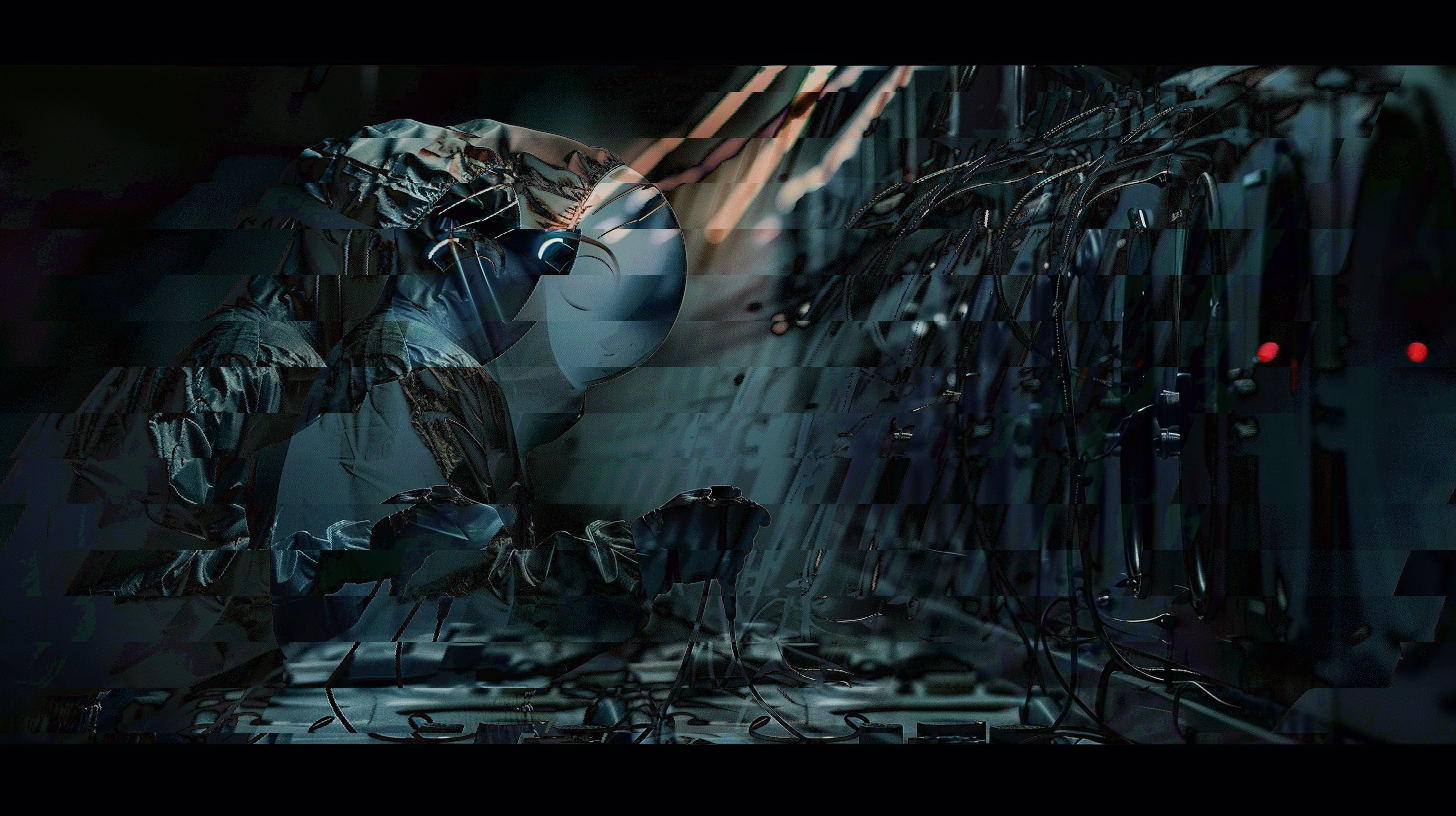
Drift Smear chases the other half of the look: the flow. It seeds the frame, then advects it backwards along a flow field, iterating with colour-bleed and decay before rendering the result.
The important word is iterating. This is internal iteration on feedback buffers inside a single frame — not cross-frame motion carried from a previous picture, because there is no previous picture. The melt is real; the pretence isn't.
You set how far it carries. Small amounts read as a wet smear; push it and the frame runs.
Both, and then move them
They stack, which is where the real thing lives — Databend for the block damage, Drift Smear for the flow, in whichever order suits. And because both are ordinary effects, FX MOTION can animate them: arm the drift amount, give it a ramp, and the frame progressively melts across a loop that closes cleanly.
If you want the compression half of the story rather than the corruption half, Compression is the one to reach for — a genuine 8×8 DCT pipeline quantised against real JPEG tables, so the ringing and blocking are artefacts rather than an impression of them.